


 Dr. Kejal Joshi
For many Indians, millets bring back memories of traditional family meals and recipes passed down through generations. Yet over the years, rice and wheat became the dominant staples on our plates, while millets gradually moved to the sidelines. Today, as India grapples with rising lifestyle diseases and changing food habits, millets are making a meaningful comeback, and for good reason.
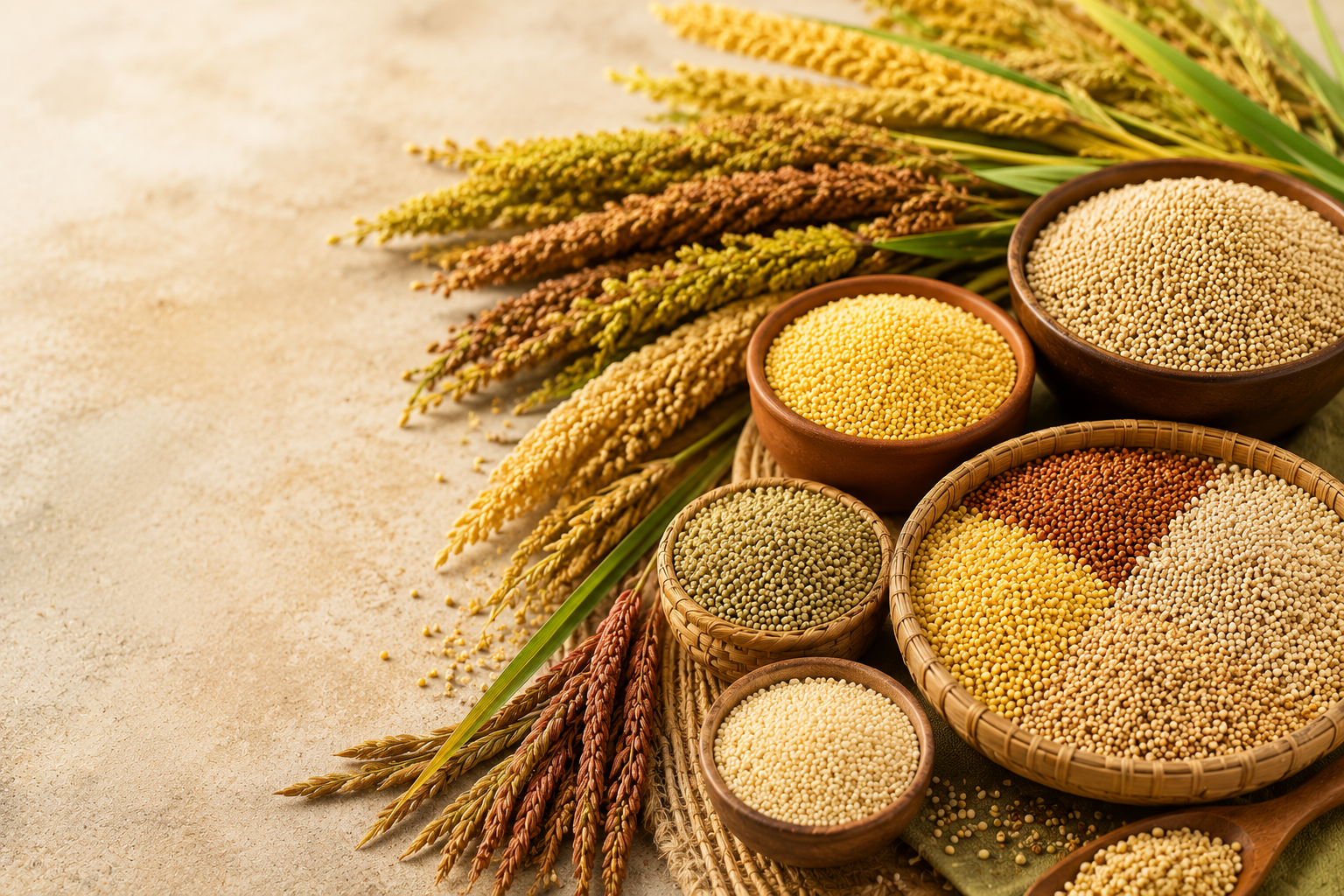
As a nutrition researcher, I see millets not as a trend but as an opportunity to reconnect with nutritionally rich foods that are highly relevant to modern health needs.
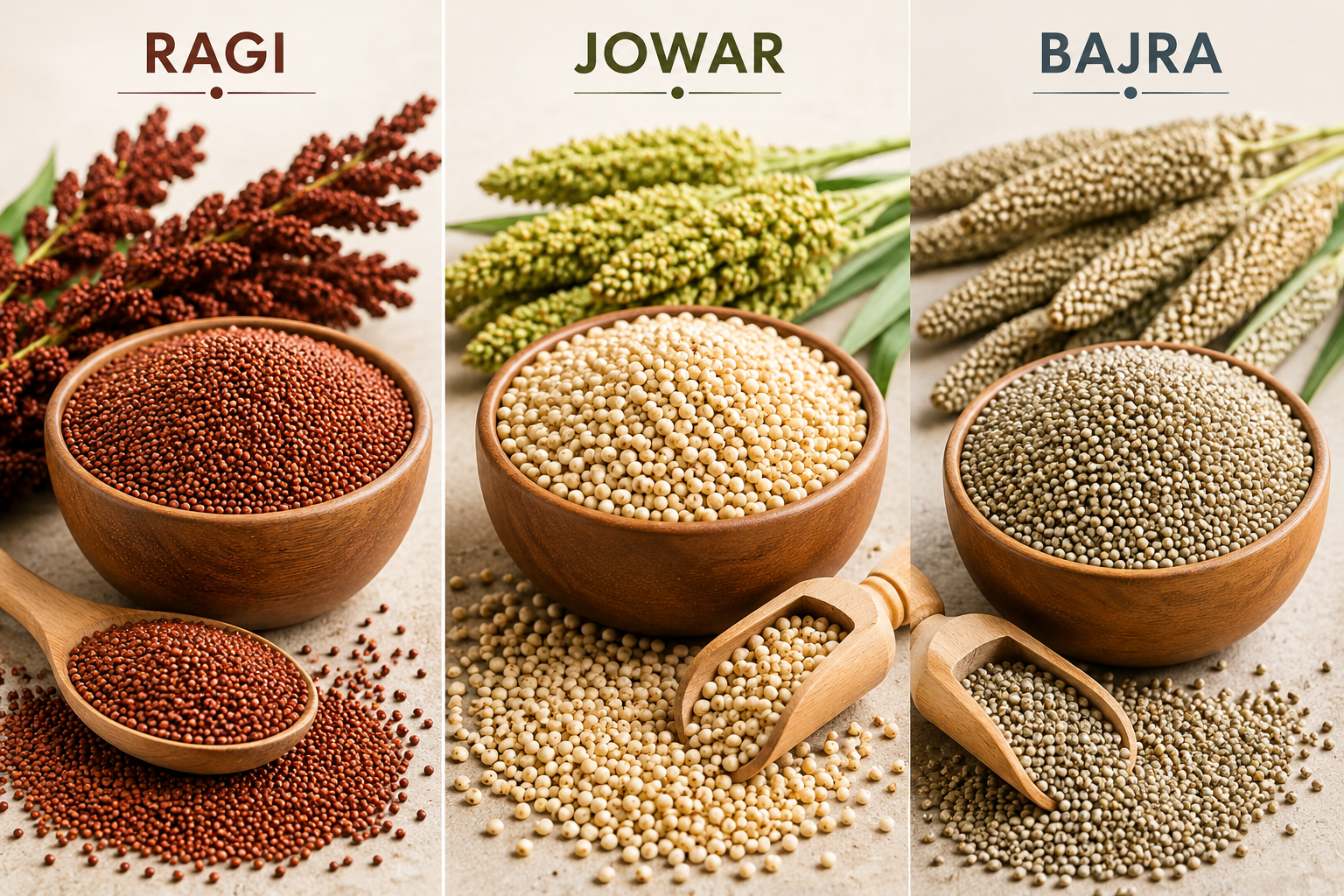
India is currently facing a dual burden of malnutrition. While obesity, diabetes, and heart disease are increasing rapidly, micronutrient deficiencies such as iron and calcium deficiency still affect millions. This is where millets can play an important role. Different varieties of millets offer unique nutritional benefits. Pearl millet (bajra) is a good source of iron, finger millet (ragi) is naturally rich in calcium, and sorghum (jowar) provides dietary fibre and essential nutrients. Compared to refined grains, millets generally offer a more nutrient-dense nutritional profile, making them a valuable addition to everyday diets.
One of the biggest advantages of millets is their fibre content. Modern diets often fall short in fibre due to the increasing consumption of processed foods and refined carbohydrates. Fibre is essential for digestive health, helps promote fullness, and supports overall dietary quality. Incorporating millets into regular meals can help bridge this nutritional gap while adding variety to the diet.
Another reason millets are gaining attention is their role in supporting better metabolic health. Research suggests that millet-based foods can contribute to gradual energy release and may help maintain balanced blood sugar levels when consumed as part of a healthy diet. In a country witnessing a sharp rise in diabetes and metabolic disorders, diversifying grain choices beyond rice and wheat can be a positive step toward healthier eating patterns.
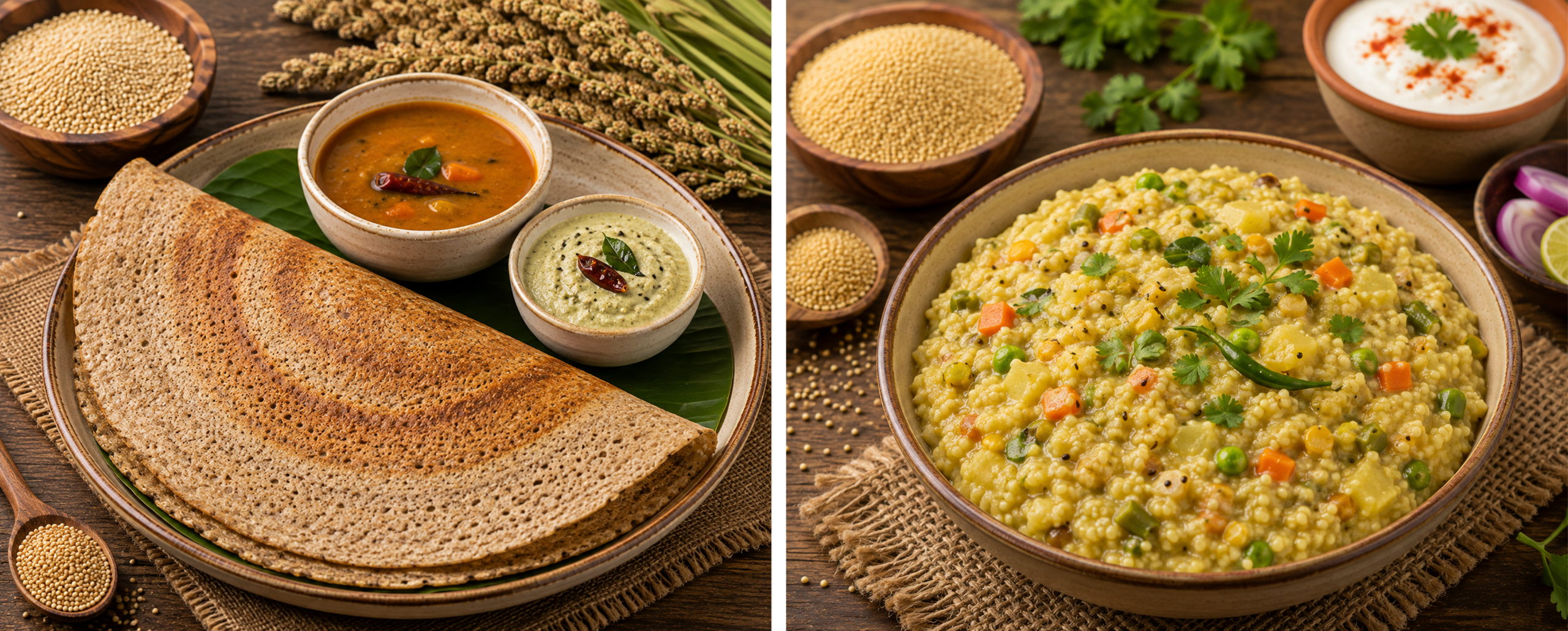
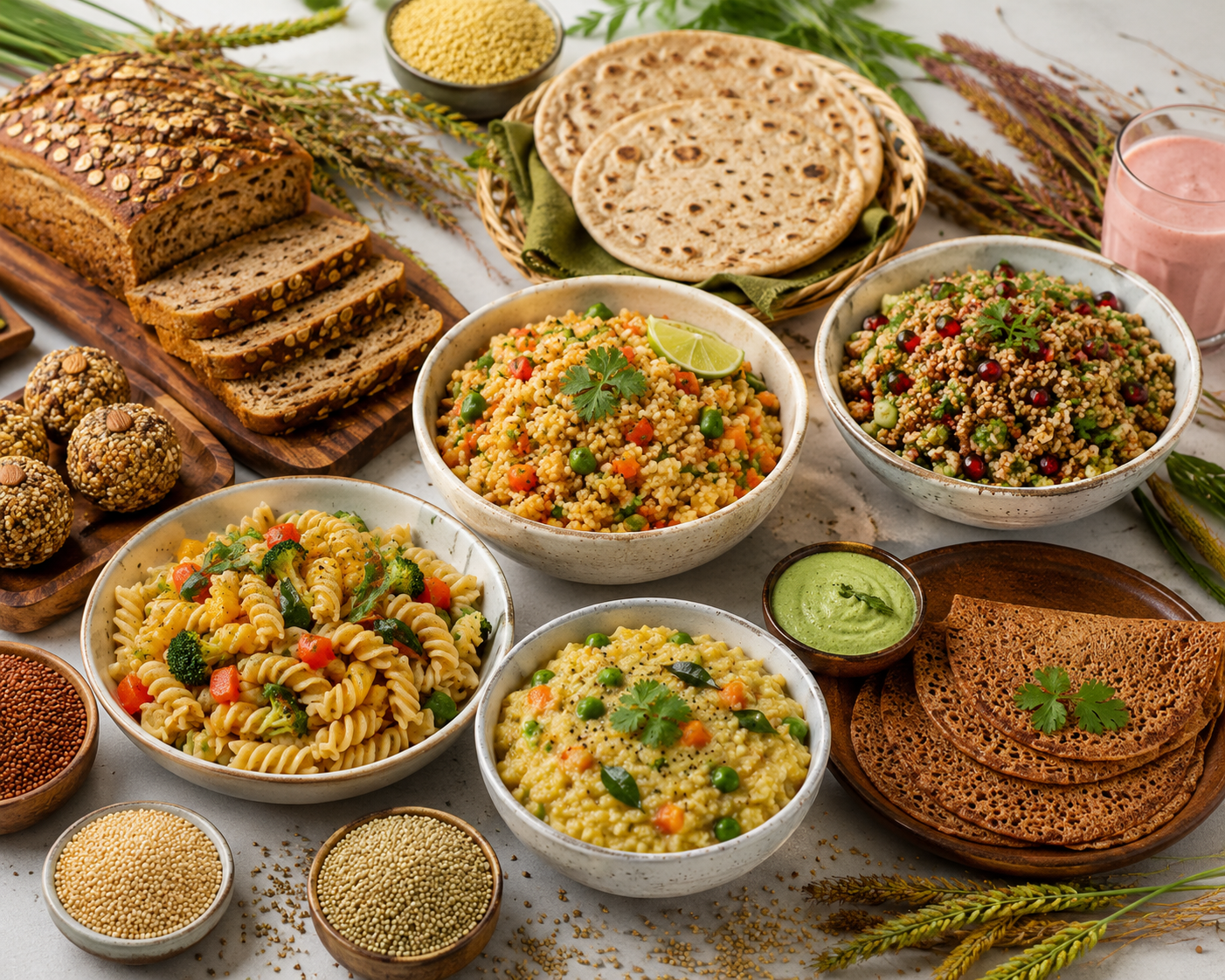
What makes millets particularly special is their versatility. They can be incorporated into traditional foods such as rotis, khichdi, dosa, and porridge, while also being used in modern formats like breakfast cereals, snack bars, baked snacks, and ready-to-cook mixes. This adaptability allows consumers to enjoy the benefits of millets without making drastic changes to their eating habits.
Consumer attitudes toward food are also evolving. People increasingly want foods that are natural, minimally processed, and rooted in tradition. Global consumer trend studies, indicate growing interest in ingredients that combine heritage with health and millets fit perfectly into this narrative.
Beyond nutrition, millets contribute to a more sustainable food system. As conversations around sustainable diets gain momentum, millets offer a unique advantage by supporting both human health and agricultural resilience. However, the goal should not be to replace rice or wheat entirely. Instead, millets should be viewed as an important part of dietary diversity and balanced diet component.
The renewed interest in millets reflects a broader shift toward preventive health and conscious eating. Their nutritional richness, versatility, and sustainability make them highly relevant for modern India. As we look toward building healthier diets for future generations, millets provide a simple yet powerful way to bring traditional wisdom and modern nutrition science together on our plates.

 Dr Prabhakar Kanade
 Ms. Samreen Shaikh


Add comment