


 Ms. Simran Vichare
Hypertension, often called the “silent killer”, develops without obvious symptoms yet significantly increases the risk of heart disease and stroke. There are multiple reasons for this, but one of the most influential dietary factors behind rising blood pressure is a product we consume every day: Salt.
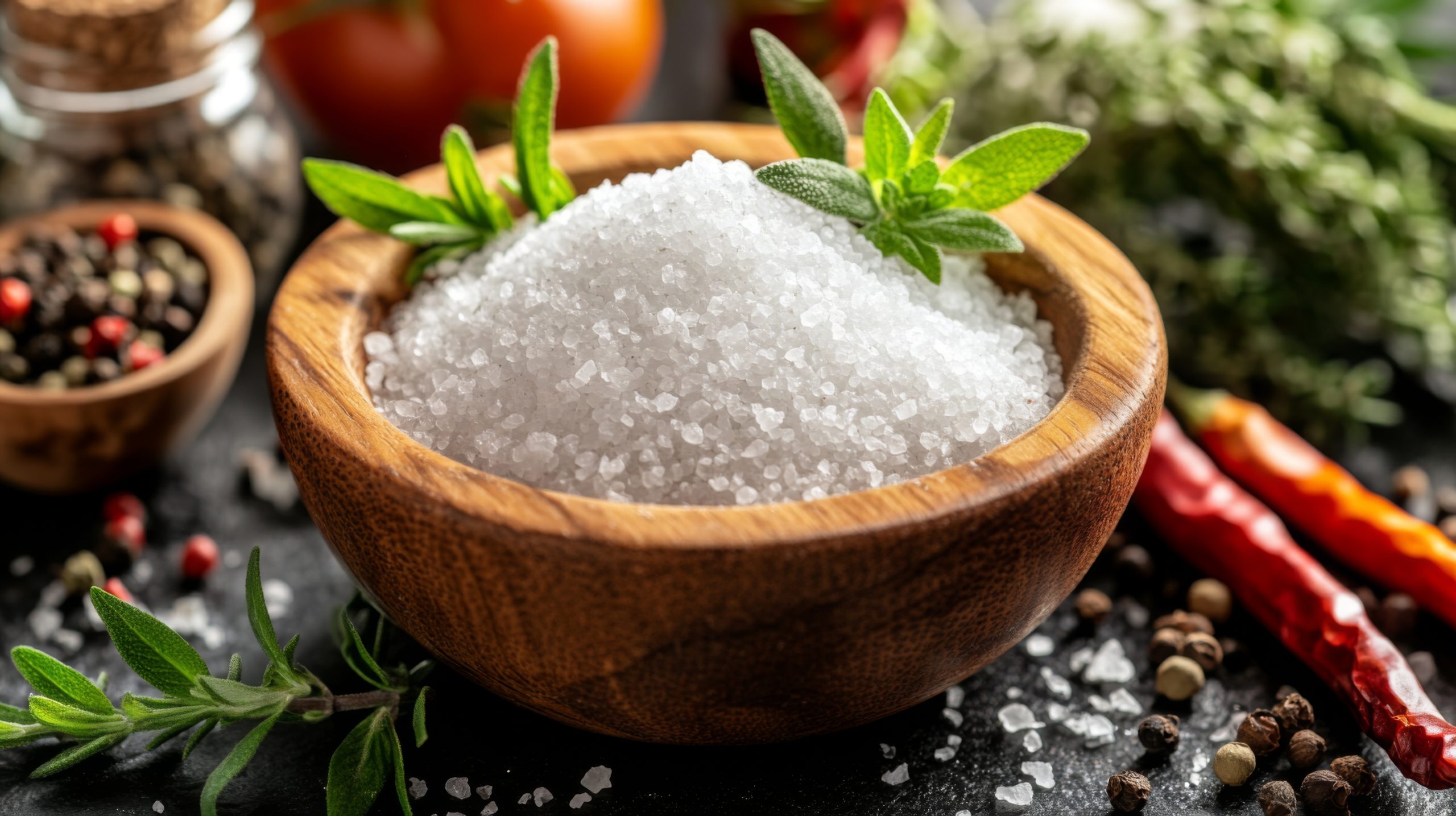
Salt contains 40% sodium and is a key mineral. One teaspoon of salt contains approximately 2,400 milligrams of sodium. Sodium is essential for several bodily functions, including nerve signalling, muscle contraction, and maintaining fluid balance.
Besides enhancing the flavour of our meals, sodium plays a crucial role in food processing. Whether in homemade items like pickles or large-scale products like canned vegetables, it contributes to preservation, texture, fermentation control, protein functionality, and overall product stability (1).
How does high sodium affect blood pressure?
Sodium directly influences blood pressure by causing the body to retain more water, increasing blood volume, and exerting greater force on artery walls. Excessive sodium can harden the arteries, reduce their flexibility, and hinder the production of nitric oxide, which helps blood vessels widen. This results in increased resistance and higher blood pressure. Also, excess sodium disrupts the hormonal system that regulates blood pressure and fluid balance, leading to further vessel constriction (2).

Over time, how does the increased pressure affect the body?
Hypertension can cause damage to artery walls, leading to fat deposition, plaque formation, and narrowed arteries, which restrict blood flow to the heart. This increases the heart’s workload, leading to thickening of the heart muscle and lowering its output, which may result in further problems.
Plaque can rupture, causing blood clots that may block vessels supplying the heart and result in a heart attack. Hypertension can also affect brain blood vessels, leading to strokes. Excessive sodium intake can also impair kidney function, affecting their ability to filter blood and leading to fluid retention (3).
Recommended Intakes for Sodium
India lacks a fully independent sodium requirement established through large-scale nationwide physiological studies. As a result, most countries’ public health recommendations align with the guidance from the World Health Organization.
While individual sodium needs can vary based on factors such as age, gender, physical activity level, nutritional status, and environmental conditions, public health guidelines typically use a single population target for simplicity and disease prevention. For the general population, a sodium intake of 2,400 mg per day (approximately 5 g of salt) is recommended to help prevent the development of various health conditions.
Despite these recommendations, the global average sodium intake for adults remains at approximately 4,310 mg per day (about 10.8 g of salt) (4). At these elevated levels, the risk of developing various health issues increases significantly. Therefore, public health guidelines emphasize the importance of reducing overall sodium intake within the population by setting upper limits on sodium consumption.
However, it is important to note that certain groups may have higher sodium requirements. For instance, individuals engaging in long-term heavy physical work/ outdoor sports or living in hot and humid climates tend to sweat more, leading to increased electrolyte loss. In such cases, sodium replenishment becomes crucial for maintaining health.
Major dietary sources of sodium:
Extremely High Sodium (>1000 mg/100g)
- Pickles
- Sauces and spreads
- Instant noodles
- Biscuits
- Crackers
High Sodium (400–1000 mg/100g)
- Cheese
- Butter
- Bread
- Chips
- Namkeen
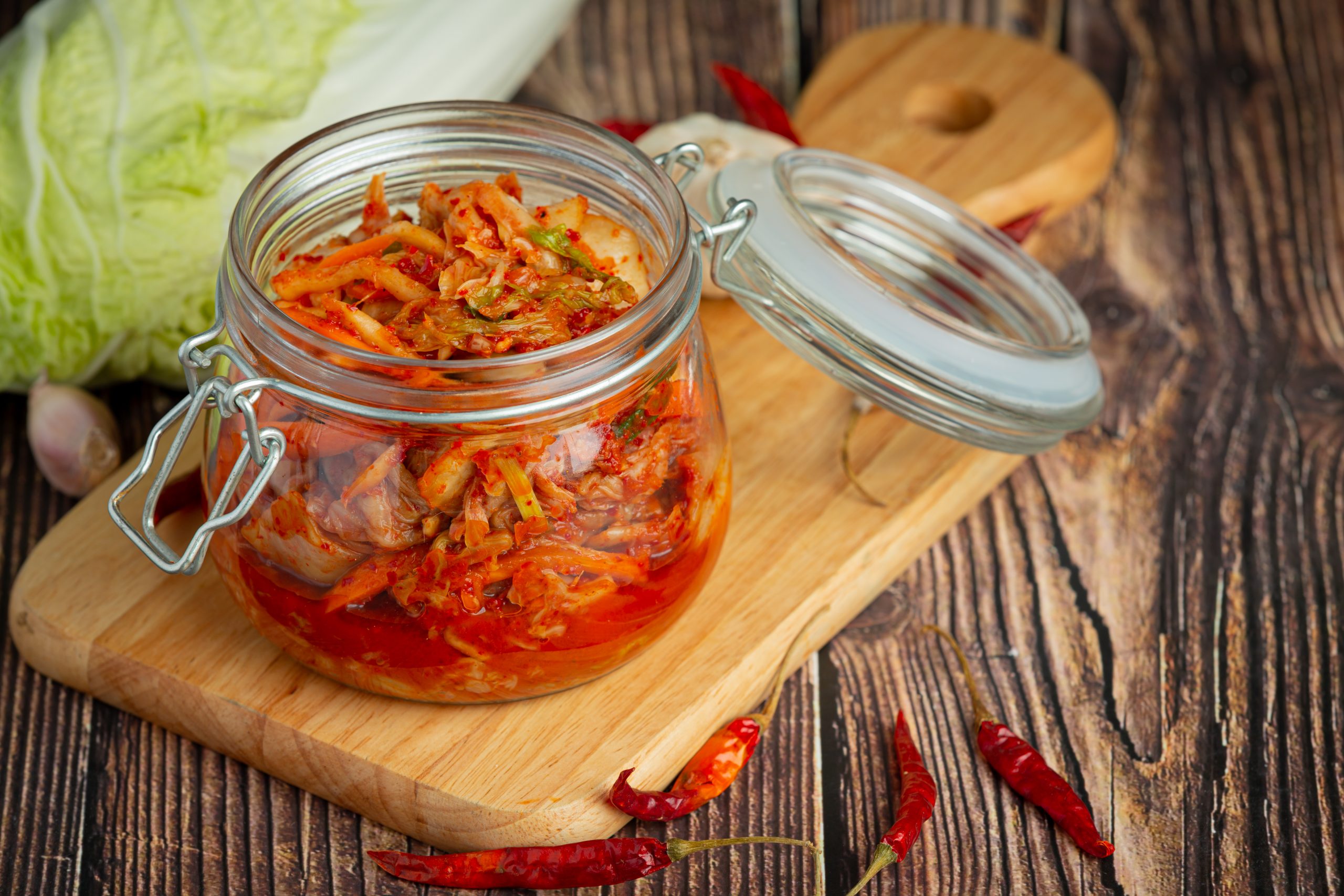
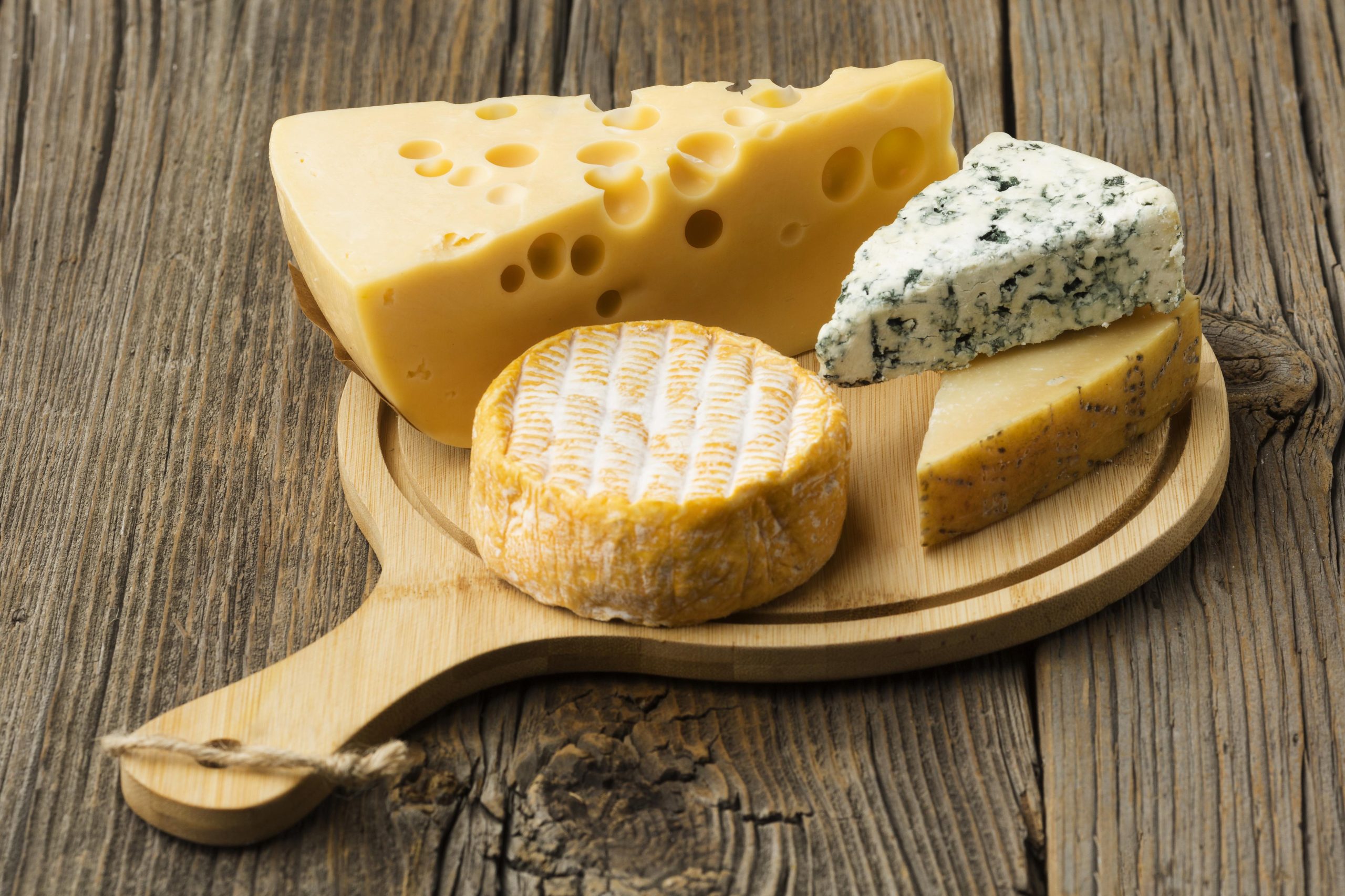
It is important to understand that sodium intake does not come only from packaged foods. In countries like India, where home cooking is part of major diets, a significant proportion of salt is added during cooking at home or at the table (7). This means that reducing sodium intake requires attention not only to packaged foods but also to everyday cooking practices.
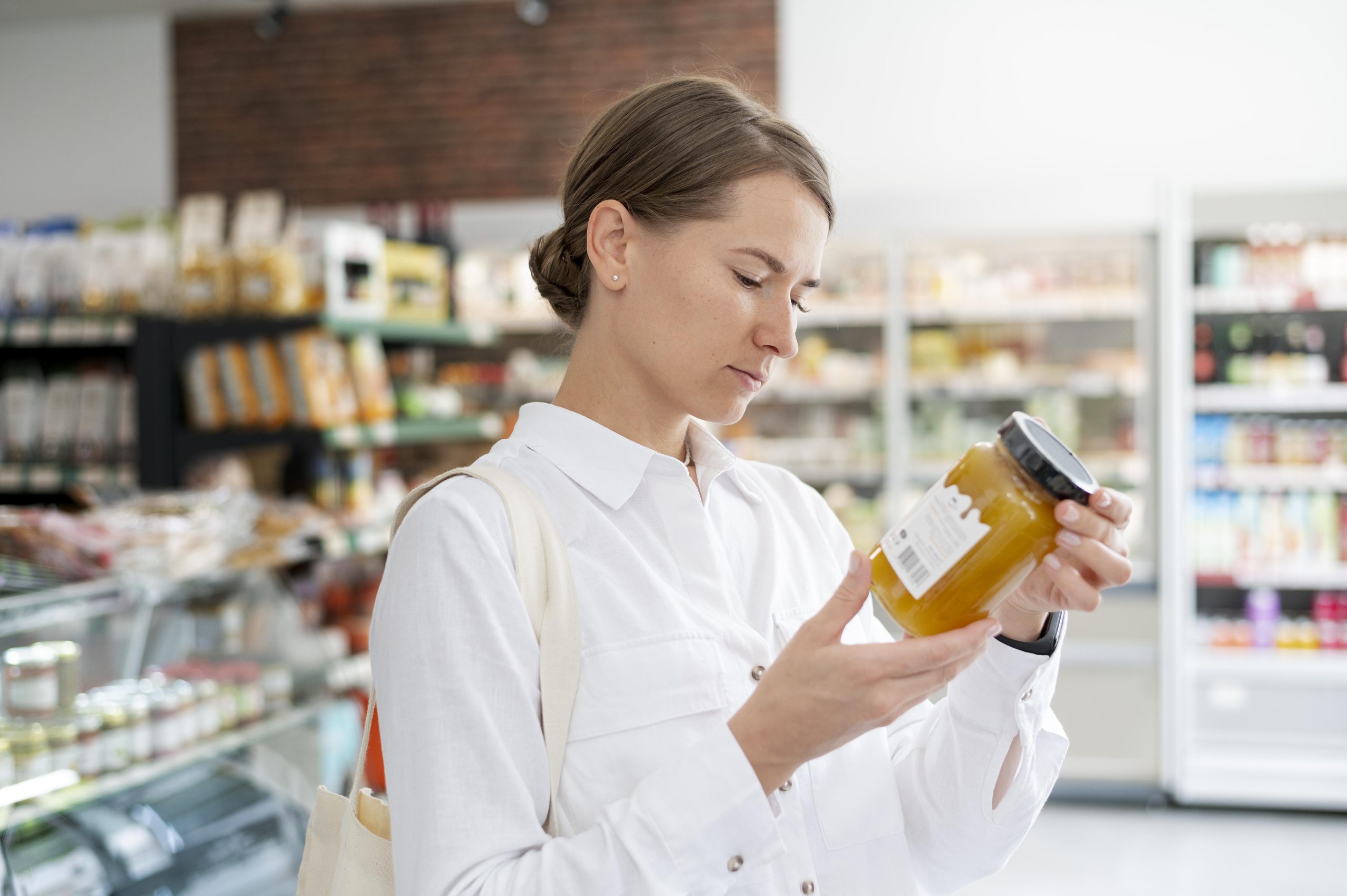
How to check sodium on food labels: Packaged foods must list sodium (mg) per serving on the nutrition label. When reading labels:
- Look for “Sodium (mg)”. Sometimes Sodium is present in hidden terms like Monosodium glutamate (MSG), Sodium bicarbonate, sodium nitrate, sodium citrate, etc.
- Check per serving amount
- Compare similar products: Choose the one with lower sodium
- Basic guideline:
| Sodium per 100g | Meaning |
| ≤ 120 mg | Low |
| 120–400 mg | Moderate |
| > 400 mg | High |
For the food industry, reformulation alignment with these targets can reduce regulatory risk, improve brand positioning, and build consumer trust.
Benefits of lowering sodium in the diet:
The benefits of reducing sodium intake in lowering blood pressure have been observed not only in individuals with hypertension but also in a wide range of people, including those with normal blood pressure. This suggests that cutting back on sodium may provide health advantages for many, promoting better cardiovascular health and overall well-being.
Sodium is an essential nutrient for many vital functions. Eliminating sodium from the diet is not advisable, as a long-term no-sodium diet may inadvertently cause an increase in blood pressure by activating the renin-angiotensin system and the sympathetic nervous system (5).
The solution is not elimination, but mindful moderation. The following are a few ways to reduce Sodium consumption: (6)
- Nutrition Labelling reading: Compare and choose foods to get less than 100% Daily Value (less than 2,400 mg) of sodium each day.
- Low sodium salts: Here portion of sodium chloride is replaced with potassium chloride. These salts provide less sodium while contributing additional potassium, which may help improve the sodium–potassium balance in the diet.
- Try flavouring the meals with less or completely without salt: Limit the amount of table salt you add to foods when cooking, baking, or at the table. Try lemon, garlic, pepper, and other herbs and spices instead to add flavour to the food.
- Increase intake of fresh vegetables and fruits: Buy fresh, frozen (no sauce or seasoning), or low-sodium or no-salt-added canned vegetables.
- Increasing potassium-rich foods: It can help counterbalance sodium’s effect on blood pressure by promoting sodium excretion and relaxing blood vessels.
- Mindful snacks: Choose low-sodium or unsalted nuts, seeds, and snack products.
- Choosing the condiments: Sodium in condiments can add up. Choose light or reduced-sodium condiments.
- Control the portion size: Prepare smaller portions at home and consume less when eating out.
Along with this, increased physical activity, sound sleep, proper hydration, and regular health check-ups can contribute to better heart health and overall wellness.

References:
- https://www.heart.org/en/healthy-living/healthy-eating/eat-smart/sodium/sodium-sources#:~:text=How%20do%20sodium%20and%20salt,added%20to%20foods%20we%20buy.
- https://pmc.ncbi.nlm.nih.gov/articles/PMC6770596/
- https://pmc.ncbi.nlm.nih.gov/articles/PMC8468043/
- https://www.who.int/news-room/fact-sheets/detail/sodium-reduction
- https://pmc.ncbi.nlm.nih.gov/articles/PMC6525650/#S15
- https://www.msn.com/en-in/foodanddrink/other/does-cutting-back-on-salt-reduce-sodium-levels-in-your-blood/ss-AA1SP24y#image=7.
- Ghimire, Kamal et al. “Salt intake and salt-reduction strategies in South Asia: From evidence to action.” Journal of clinical hypertension (Greenwich, Conn.) vol. 23,10 (2021): 1815-1829. doi:10.1111/jch.14365.
 Dr. Shashank Bhalkar
 Mr. Jitin Garg
 Ms. Shipra Sehgal
 Mr. Akshay Salgarkar


Add comment