



 Ms. Sanyukta Telange
Milk has been an integral part of our lives, and we have different variations to enjoy it. Masala milk during festivities, haldi milk to recover from a cold and cough, kesar, badam or rose-flavoured milks to enjoy for leisure. In recent days, the very same item has come under scrutiny, and people are questioning, “Is milk unsafe to drink?” To answer the question, it is important to have a basic understanding of food safety so a correct decision can be made based on science and understanding.
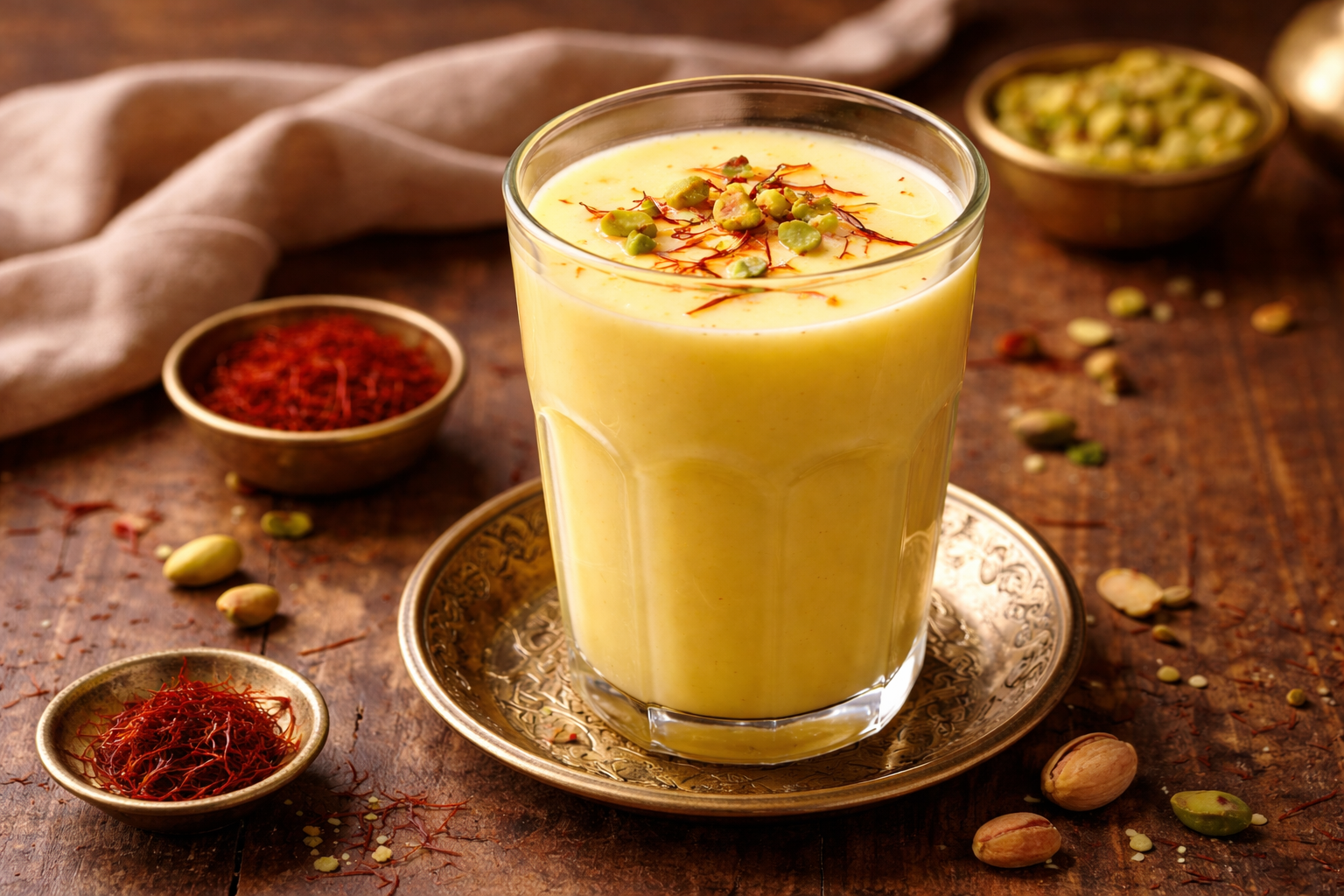
India is one of the largest consumers and producers of milk globally, with the per-capita availability of milk being 471 grams /day and an annual production of approximately 239.3 million metric tonnes (MMT) in 2023-24, contributing approximately 25 % to the global production (1). India’s monthly Per Capita Consumption Expenditure on Dairy products (2023-2024) was Rural 348 (in Rs), Urban 503 (in Rs).
Basics of dairy microbes:
Milk has a rich microflora and is a highly perishable commodity. It contains 87% water and important nutrients such as carbohydrates, proteins, minerals, and vitamins, making it an ideal environment for microorganisms to grow. It contains both useful and harmful bacteria.
Indians typically consume milk from either cow or buffalo. Virtually milk is sterile if produced by a healthy cow. However, microbes enter during milking, through the skin of the animal, the utensil, air, etc. These microbes include Lactic acid bacteria, coliforms, Clostridium, Pseudomonas, yeasts, etc. The Lactic Acid Bacteria are beneficial and are responsible for the fermentation in milk, which gives products like yoghurt, cheese, etc. However, not all bacteria are beneficial. Other mentioned bacteria can cause spoilage or can even be pathogenic (2).

What are coliforms? Can we get rid of them?
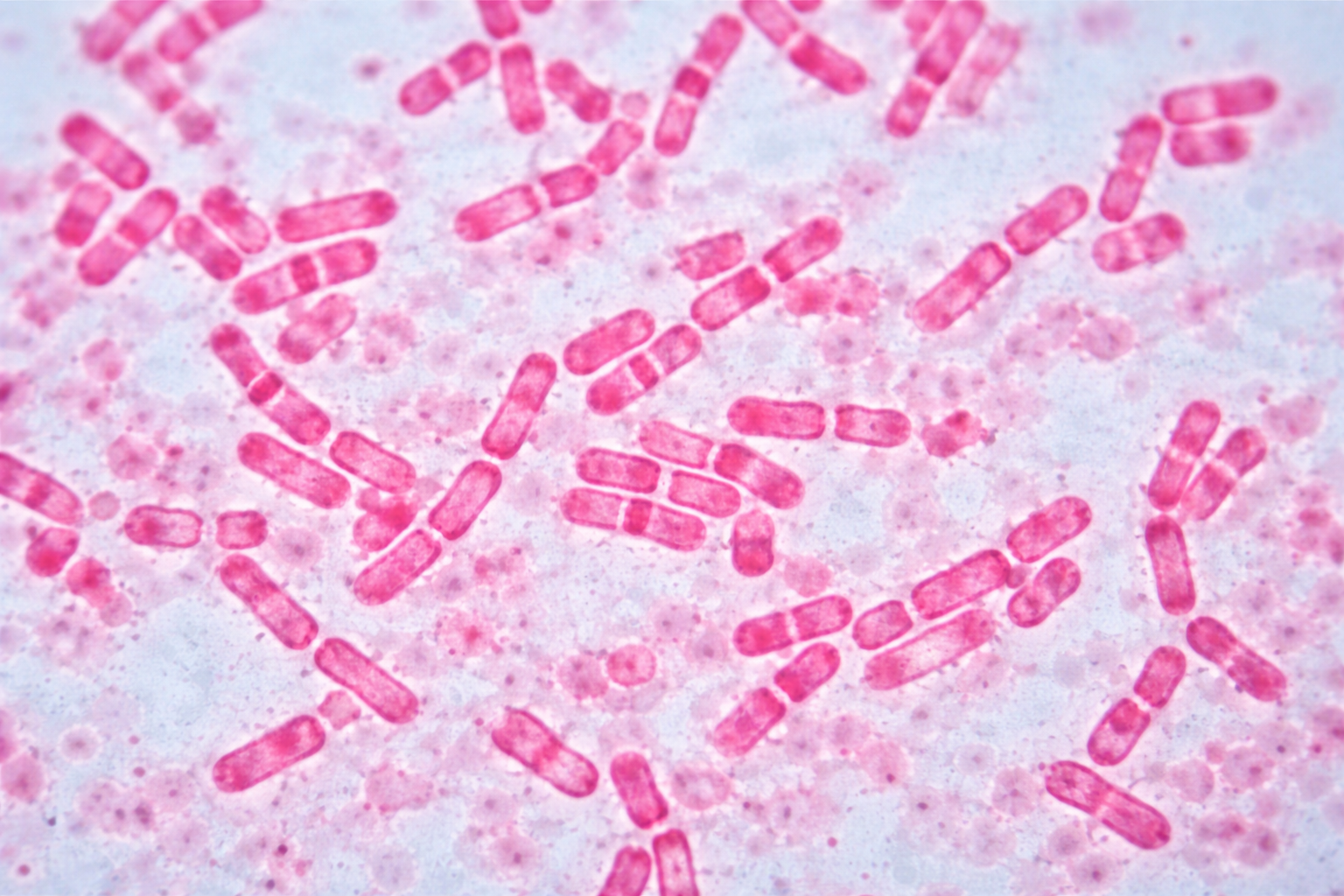
Coliforms have been most discussed on the internet. Reports circulating online suggested the detection of coliforms in packaged milk samples. By definition, coliforms are Gram-negative, non-spore-forming bacteria that ferment lactose to produce acid and gas at 35–37 °C. These bacteria are commonly found in soil, water, vegetation, and in the intestinal tract of humans and warm-blooded animals. They are used as indicator organisms, meaning their presence suggests lapses in hygiene during milk production, collection, or handling. However, their detection in raw milk does not automatically indicate direct faecal contamination.
Coliforms do not naturally occur inside milk from a healthy udder. They usually enter milk after it leaves the udder, either from the exterior of the teats, from contaminated milking equipment, from poor handler hygiene, or improper storage temperatures. Coliforms can quickly multiply in moist milk residues left on poorly cleaned milking equipment. These residues can form biofilms, which then act as a continuous source of contamination for fresh milk. Consistent high coliform counts are often considered a sign of poor production hygiene and environmental contamination. Occasionally, a sudden high coliform count may also be linked to an undetected case of coliform mastitis in the dairy herd rather than general sanitation failure (3).
Regulatory standards and tests by FSSAI, and what does the limit mean, which are the important parameters one should look for
In India, microbiological limits for milk are prescribed by the Food Safety and Standards Authority of India (FSSAI). These limits define how much microbial presence is acceptable in different types of milk and milk products.
Coliforms indicate the hygiene maintained during production and handling. However, the presence of E. coli is necessary to confirm faecal contamination. Testing is done using standard methods prescribed by FSSAI, where a set number of samples is collected and analysed to check whether they fall within the allowed limits. If too many samples exceed the prescribed limits for coliforms, total bacteria, or other indicators, it suggests a breakdown in hygiene.
When reviewing a milk microbiology test, some important indicators are total bacterial count, coliforms, and the absence of E. coli or other pathogens (Salmonella, Staphylococcus, Listeria). Together, these parameters help determine whether the milk was produced and handled under hygienic conditions.
Other Concerns-
Some individuals may experience lactose intolerance, where the body cannot digest lactose, the natural sugar present in milk. In such cases, curd or yoghurt is often better tolerated because fermentation partially breaks down lactose. Milk allergy is different from lactose intolerance as it is not a digestive issue but an immune reaction to the milk proteins, namely, casein and whey. These proteins trigger an allergic response and are commonly observed in infants and young children. However, there are some hypo-allergenic milk products available, especially for children, as milk is best for them. Another concern is the presence of antibiotic residues in milk, as they are occasionally used to treat animals. Cows treated with antibiotics must be kept away from commercial milking for a certain period after treatment so the drugs can be metabolised. FSSAI sets maximum residue limits (MRLs) for antibiotics in milk and dairy products.

Importance of milk processing
Microorganisms such as coliforms, yeasts, and other bacteria can be controlled in milk primarily through heat treatment and hygiene control. The most effective method is pasteurization. The packaged milk available in the market is pasteurized milk. The primary purpose of pasteurization is to destroy disease-causing bacteria that may be present in raw milk. It also significantly reduces the overall microbial load, thereby slowing spoilage and keeping quality. When properly carried out, pasteurization does not meaningfully alter the nutritional value or sensory characteristics of milk.
Three main pasteurization methods are used in dairy processing. In the Low Temperature Holding (LTH) method, milk is heated to 63°C for 30 minutes and then cooled. In the more widely used High Temperature Short Time (HTST) method, milk is heated to 72°C for 15 seconds. Ultra-High Temperature (UHT) treatment involves heating milk to 135°C or higher for 1–2 seconds, followed by aseptic packaging; this produces commercially sterile milk with a shelf life of several months without refrigeration until opened.
Unlike UHT milk, low-temperature and high-temperature pasteurized milk is prone to spoilage as it is not sterile. Immediately after heat treatment, pasteurized milk is rapidly cooled to 4°C or below and kept under continuous refrigeration during transport, storage, and retail display. Maintaining this temperature slows bacterial growth and preserves shelf life. However, temperature fluctuations at the retail level, power interruptions, or improper storage can allow surviving or introduced bacteria to multiply.

Everyday practices to keep milk safe
At the production level, packaged milk from large dairy plants operates under multiple layers of safety controls. Systems such as Clean-in-Place (CIP) sanitation protocols, Hazard Analysis and Critical Control Point (HACCP) frameworks, and regulatory microbiological limits set by authorities ensure continuous monitoring and preventive control. Milk is an everyday staple, and precisely because of this, the scrutiny around its safety is rigorous.
In many Indian households, food safety is not a technical term; it is a lived practice. For generations, women in the household have instinctively followed steps that significantly reduce risk. One of the most important practices is boiling raw milk. Boiling effectively destroys coliforms, yeasts, and most other vegetative bacteria that may be present. Even pasteurised milk is often boiled at home an added layer of safety that further reduces any residual microbial load. Many homes use a dedicated vessel for boiling milk, avoiding cross-contamination from other foods.
As consumers, we absolutely have the right to question lapses. However, decisions and opinions should be based on the complete context, not on isolated findings or single incidents detached from the broader system of checks and controls. In a country where a large proportion of the population follows a predominantly vegetarian diet and where protein intake is often suboptimal, milk remains an accessible and important source of high-quality protein for millions. Hence, it is important to maintain trust in such an everyday food with balanced conversations and clear science.
References-
2. https://ttngmai.wordpress.com/wp-content/uploads/2012/06/dairymicrohandbook.pdf
 Ms. Simran Vichare

 Dr Jagadish Pai


Add comment