


 Dr. Shashank Bhalkar
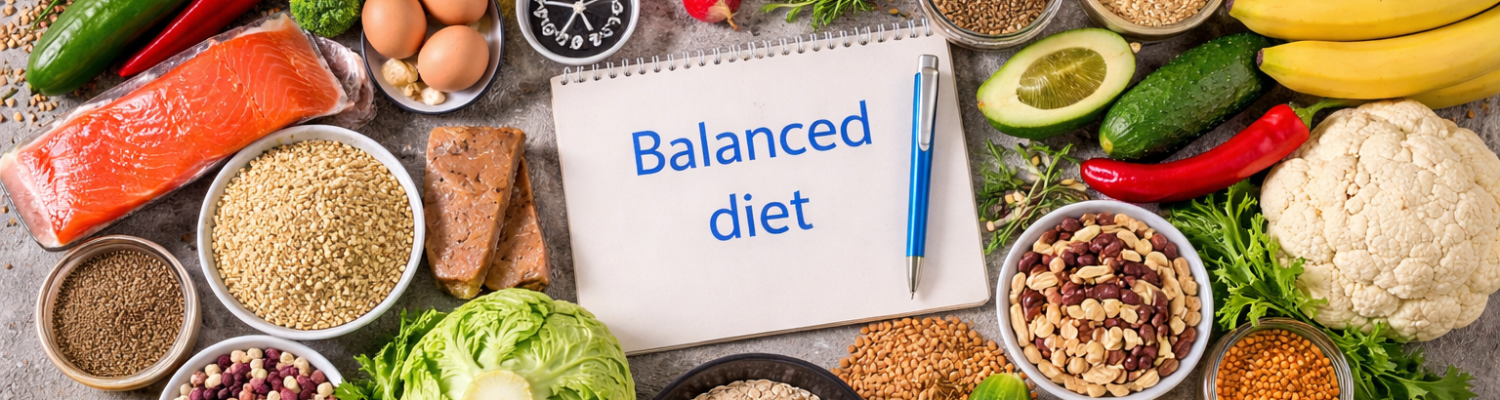
Generally, if someone says they are on a diet, the connotation is that they are consuming food to achieve a health goal, such as weight management. However, scientifically, a diet is the food or drink a person regularly consumes. (1) The diet provides the person with all the essential macronutrients, including protein, fat, and carbohydrates, as well as all the necessary micronutrients, such as vitamins and minerals. It gives them health and nutrition. Each nutrient of the diet is equally important. Proteins are the building blocks and are essential for growth, tissue repair, and maintenance. Carbohydrates are the body’s primary source of energy; they also provide fibre for digestion and the regulation of blood sugar. Fats are a concentrated source of energy, part of the cell membrane, and carriers of oil-soluble vitamins. Vitamins and minerals are required in very small quantities and are essential for various metabolic processes to keep us healthy. Water is a vital nutrient that supports many bodily functions, including temperature regulation, nutrient transport, and waste removal. A balanced diet includes all the food groups and supports overall health. Daily diets that are specific eating patterns of the people vary from region to region, depending upon the availability of foods and also on traditional eating habits.
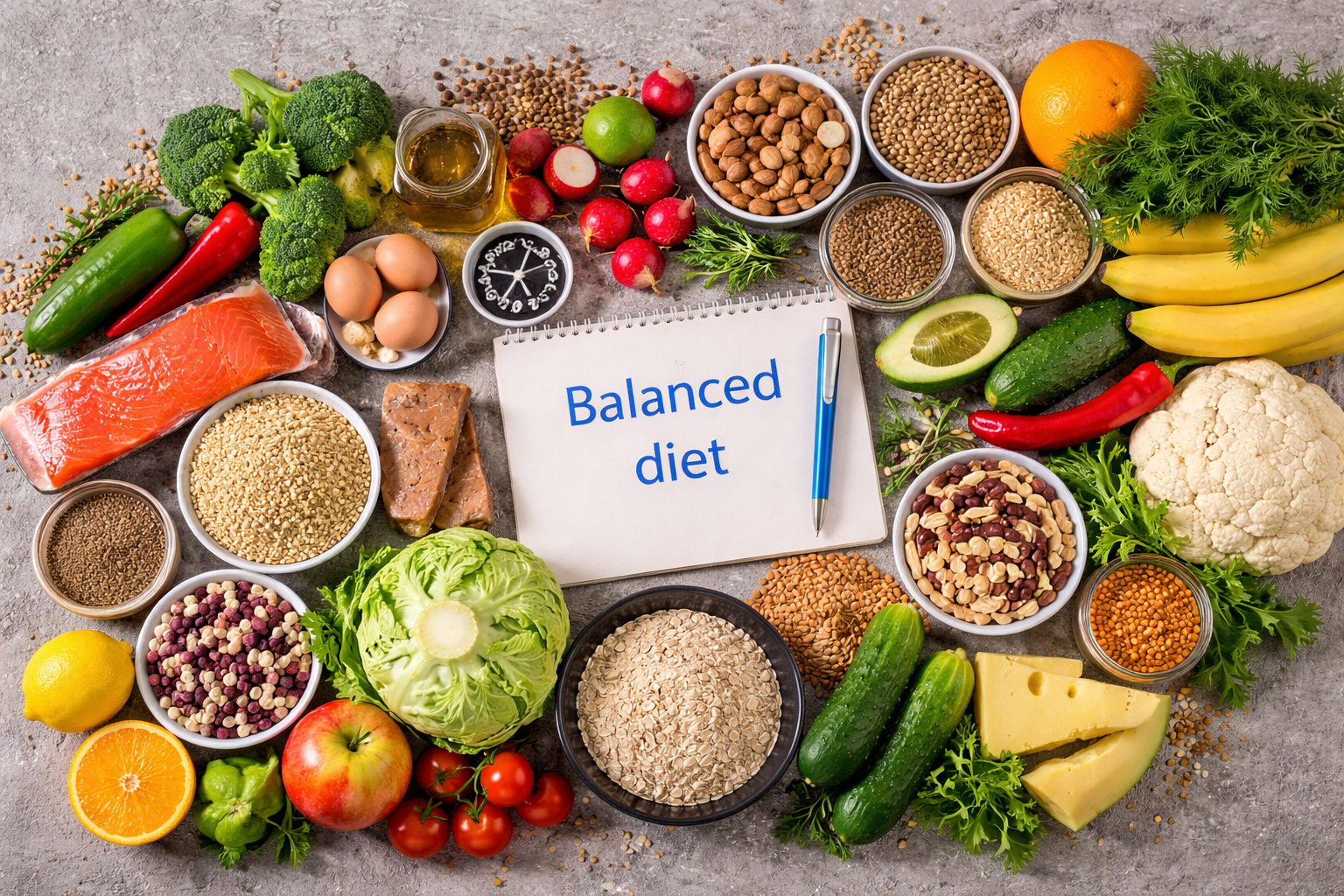
Many specialised diets are popular and recommended for specific conditions. (2) They use different approaches to nutrition. Some restrict certain macronutrients, such as carbohydrates or fats. Others eliminate entire food groups like animal products. Sometimes, diets focus on eating patterns instead of specific foods, like intermittent fasting. Not all diets are suitable for everyone. Each diet has its own advantages and drawbacks.
The following are a few popular diets and their scientific basis:
Mediterranean Diets: (3) This term has emerged because of the multi-millennial eating pattern in the Mediterranean region. The diets are rich in a variety of foods like fruits, vegetables, whole grains, fish, and olive oil. The clinical trials prove that these diets are beneficial in cardiovascular diseases, metabolic diseases, and cancer. The diet provides healthy oils from fish and olive oil, antioxidants from fruit and vegetables, and fibre from whole grains and vegetables.

DASH Diets: This is “Dietary Approach to Stop Hypertension.” This was named “Best Heart-Healthy Diet” and “Best Diet for High Blood pressure” by US News and World Report 2025. (4) This eating pattern is quite useful for individuals with high blood pressure. Although it was developed to help reduce blood pressure, it has been found effective in improving overall health and preventing disease. The diet emphasises vegetables, fruits, whole grains, lean proteins, and low-fat dairy products while limiting the use of red meat, added sugars, and saturated fats. Clinical trials show that the DASH diet effectively reduces blood pressure within a few weeks. Studies have proven its benefits in the reduction of LDL cholesterol, risk of heart disease and stroke, and may help in weight management and diabetes prevention.
Vegan Diet: A vegan diet is followed for various reasons that include environmental concerns, animal welfare, religious beliefs, and health reasons. The diet includes legumes, whole grains, vegetables, fruits, nuts, and seeds. The animal foods are avoided. These diets are high in fibre, antioxidants, phytochemicals, and lower in saturated fats and cholesterol. Vegan eating patterns offer a lower risk of heart disease, high blood pressure, and type 2 diabetes. (5). Vegan individuals should have B12-fortified foods or supplements to avoid deficiency, as plant foods are low in B12. They may also develop iron deficiency as the bioavailability of plant sources is low.
Ketogenic (Keto) Diet: This high fat low carbohydrate diet helps in weight loss. It was developed for the treatment of epilepsy in the 1920s and is now popular for weight reduction. In this diet, typically 70 – 80% calories are consumed from fat, 15 – 20 % from proteins and only 5 – 10% from carbohydrates. This drastic reduction in carbohydrates burns fat for energy instead of carbohydrates, a metabolic state called ketosis, resulting in weight loss. Many randomised control trials have proved the weight loss due to the Keto diet. (6) The diet helps reduce weight and the risk of certain diseases.
Paleo diet: The Paleo or Palaeolithic diet or Stone Age Diet consists of foods that were available to humans before the establishment of agriculture. The principal components of the diet are wild-animal sources or uncultivated plant sources such as lean meat, fish, vegetables, fruits, roots, eggs, and nuts. The diet excludes grains, legumes, dairy products, salt, refined sugar, and processed oils. Those who support the diet argue that modern humans are genetically mismatched with the present diet that emerged after farming practices, and contribute to obesity, diabetes, and heart disease. Studies have revealed the beneficial effects of the diet in diabetes and heart disease. (7) There is criticism that the ancient diets were not common and depended on the geographical locations of the humans. Also, avoiding dairy products may lead to calcium deficiency.
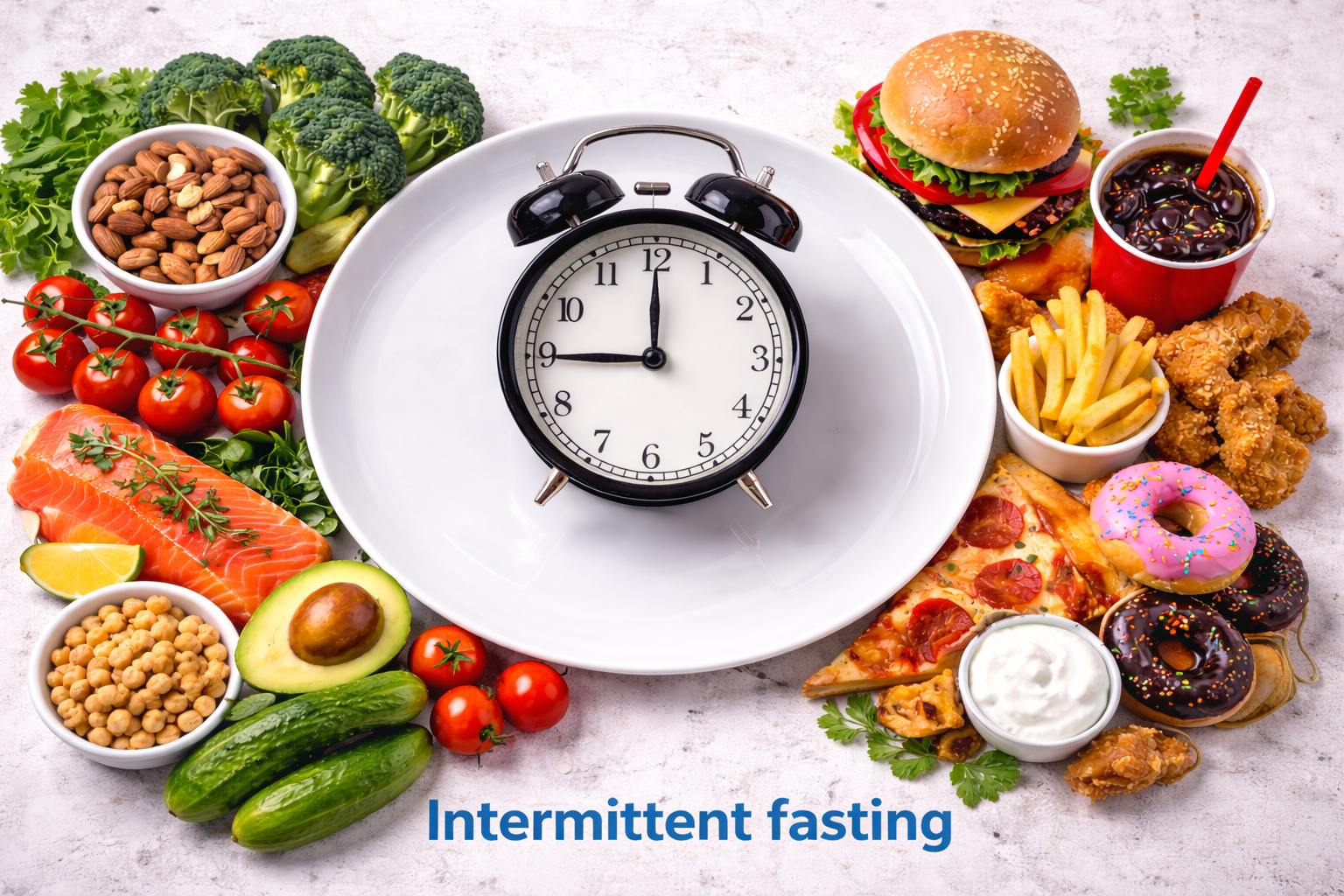
Intermittent fasting: Intermittent fasting involves cycling between eating and fasting. The popular method, the 16:8 method, involves a window of eating within an 8-hour window after fasting for 16 hours. This is very effective for weight management. There is metabolic switching, which means after hours without food, the body exhausts sugar stores and starts burning fat. Research has indicated many health benefits of Intermittent fasting, such as a boost in verbal memory, heart health, and physical performance. Studies have indicated the benefit of Intermittent fasting for people with type 2 diabetes. There is a loss of body weight and a reduction in fasting glucose.
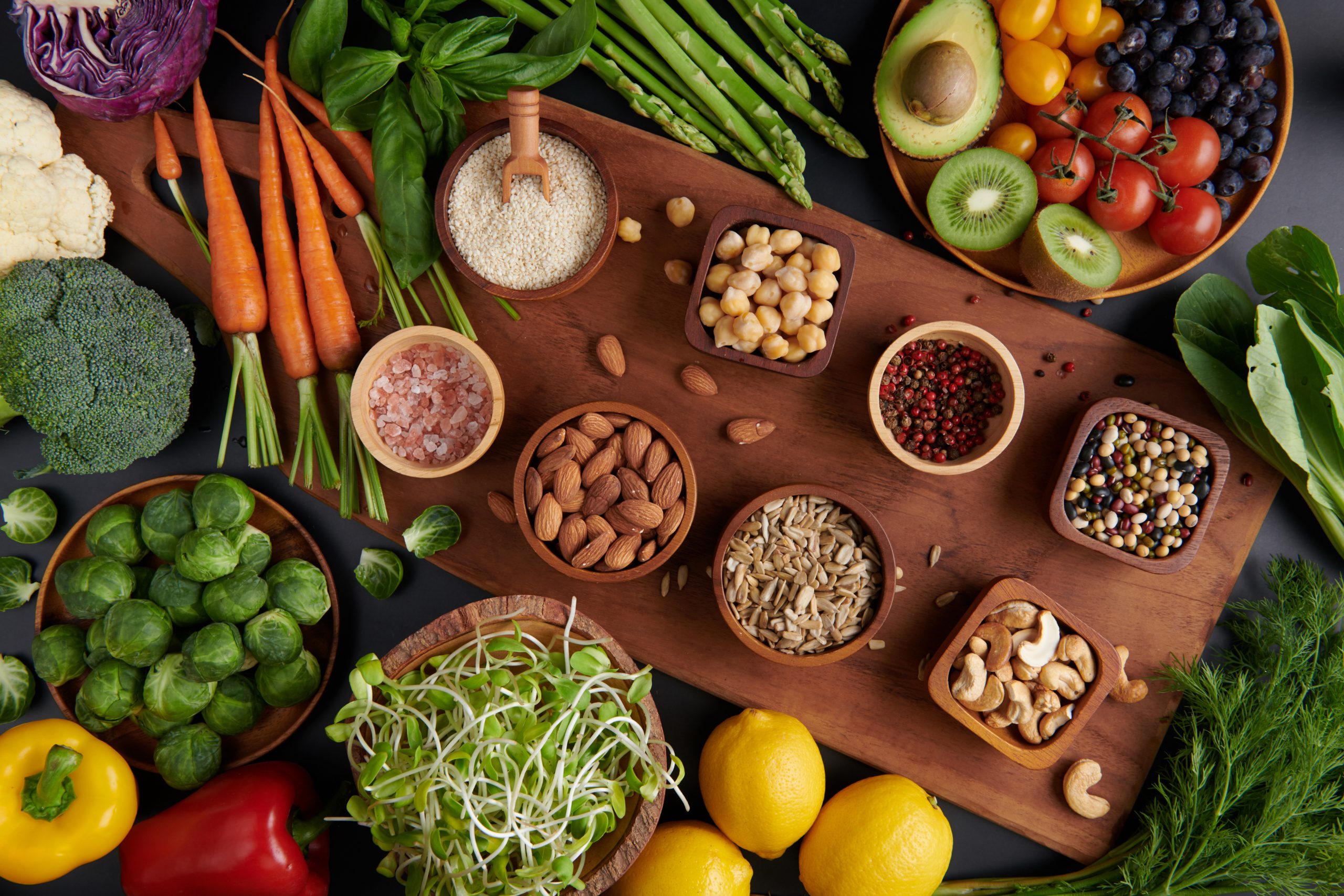
Fibermaxxing: This is the latest wellness trend and is spreading fast on social media. Many people don’t meet the daily fibre requirements of 25 – 35 gm. Although fibre has no nutritional value, it has several health benefits. It improves digestive health, helps manage blood sugar levels, reduces cholesterol, and helps reduce the risk of heart disease. High fibre gives satiety and therefore supports weight management. This is achieved by loading meals with fibre-rich foods (whole grains, legumes, fruits and vegetables with skin, nuts, and seeds). It is advisable to increase the fibre in the diet gradually.
Gut-healthy Diet: A healthy gut is important for health and feeling good. The gut microbiome is important for gut health. It digests complex carbohydrates, produces vitamins, and supports the immune system. There is a growing concern about issues of digestive health, which is because of changing dietary habits in modern lifestyles. This has resulted in “gut health”, a buzziest catchword on social media. Gen Z and millennials are leading the change. There is a sudden boom in India’s gut health supplement market. Nutritionists and dietitians are coming out with healthy gut diet plans that include fermented foods, pre and probiotics.

Wearables, AI and meal planning: (12) Traditional methods for ingestive behaviour of individuals depend on self-reporting techniques such as food frequency questionnaire, 24-hour recall, and mobile apps. This data is then used to study obesity and eating disorders. With the advent of technology and AI, several wearable devices (Rings, Watches) have been proposed for automatic monitoring of food intake. These can be used to suggest customised meal plans.
Understanding the knowledge behind the diet plan will empower you to select a correct plan rather than following it blindly. There are so many diet plans available. However, there is no one-size-fits-all solution. Every individual must select a diet plan based on what is required and best suited for them, depending on their BMR, Calorie deficit or surplus. Emergence of AI-based wearables will lead to personalised meal planning, and the concept of traditional diet plans may become obsolete.

- https://en.wikipedia.org/wiki/Diet_(nutrition)
- https://www.nutritioned.org/types-of-diets/
- https://pmc.ncbi.nlm.nih.gov/articles/PMC9317652/
- DASH Eating Plan | NHLBI, NIH
- A plant-based diet for the prevention and treatment of type 2 diabetes – PMC
- Ketogenic diet for weight loss – PMC
- The Beneficial Effects of a Paleolithic Diet on Type 2 Diabetes and Other Risk Factors for Cardiovascular Disease – PMC
- https://www.hopkinsmedicine.org/health/wellness-and-prevention/intermittent-fasting-what-is-it-and-how-does-it-work
- Is fibermaxxing good for you? | Ohio State Health & Discovery
- https://www.theestablished.com/self/is-the-gut-health-trend-in-india-just-wellness-theatre-for-the-internet-9614281
- Healthy Gut Diet Plan PDF
- https://pmc.ncbi.nlm.nih.gov/articles/PMC4970114/

 Mr. Jitin Garg
 Ms. Shipra Sehgal
 Mr. Akshay Salgarkar
 Ms. Nupur Agarrwal


Add comment