



 Ms. Simran Vichare
ORAL REHYDRATION SOLUTION:
ORS was developed in the 1960s, showing that sugar helps in the absorption of salt and water, crucial for treating dehydration. It was found during the 1971 Bangladesh crisis of combating cholera-related dehydration. More than five decades later, despite advances in medicine and access to intravenous fluids, ORS remains irreplaceable. It became a significant medical advancement of the 20th century, saving millions of lives, especially among children, with a simple and affordable mix of glucose, salt, and water.
Dehydration and Its Global Health Impact
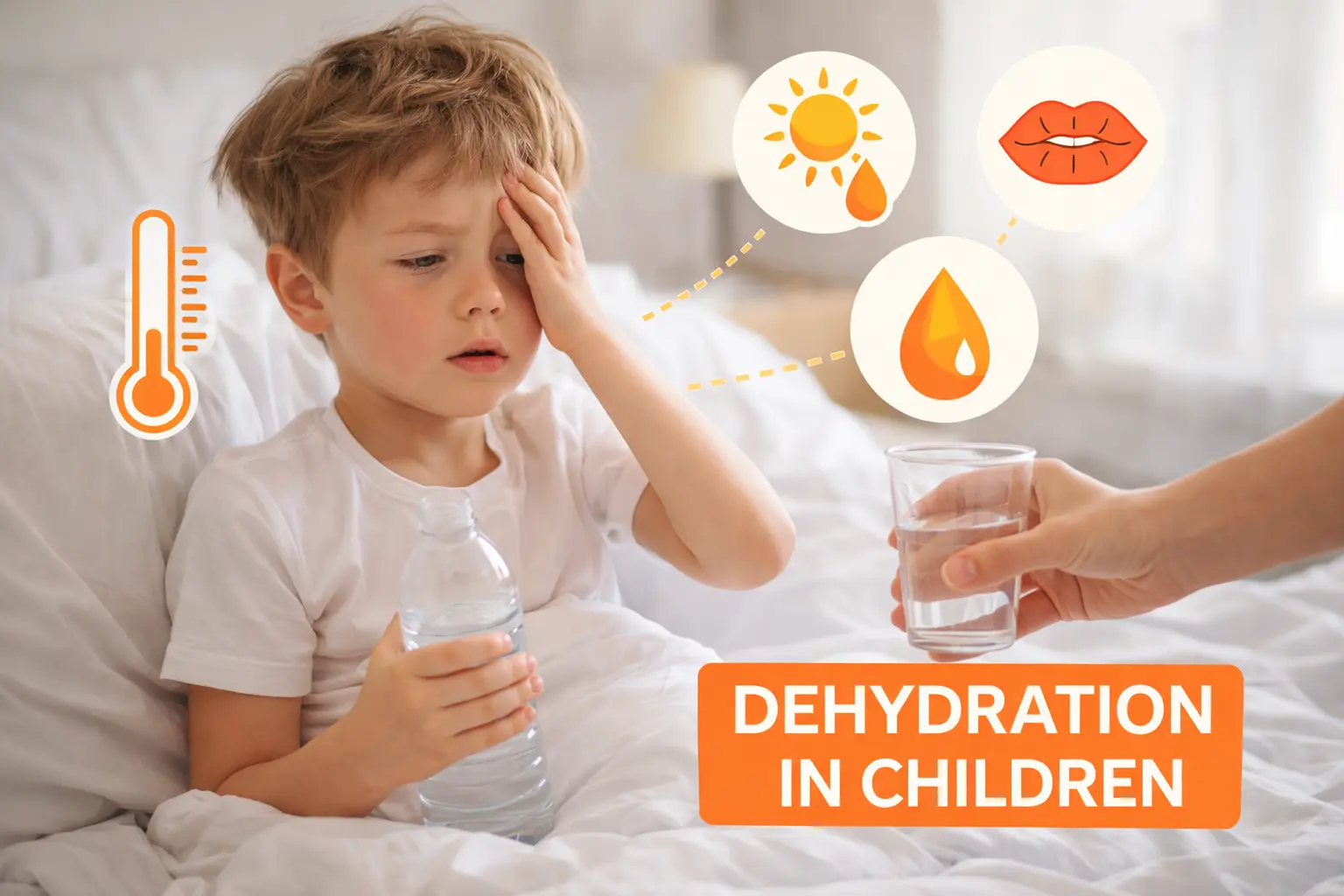
Dehydration occurs when the body loses more fluid than it takes in, disrupting normal functions and potentially leading to severe complications. It is a major preventable cause of illness and death worldwide, especially in low- and middle-income countries, where diarrhoeal diseases are a leading cause of mortality among children under five. India faces a significant burden from diarrheal diseases, particularly among children. ORS has been the front-line defence against this for decades, as it is a medical product that has saved millions of lives. WHO updated its recommendations for ORS formula, lowering the osmolarity to 245 mOsm/L and adjusting glucose 75 mmol/L, sodium to 75 mmol/L, Potassium to 20 mmol/L, Chloride to 65 mmol/L, and Citrate 10 mmol/L. This is specially designed for better fluid absorption in diarrhoea by optimizing the sodium-glucose co-transport, reducing stool output, and preventing hypernatremia.
ORS is essential despite medical advancements. It effectively treats dehydration from diarrhoea, especially in areas with limited clean water access. It is vital for children, who are more susceptible to dehydration. Quick rehydration can be life-saving in emergencies without immediate medical care. For athletes, ORS replenishes fluids and electrolytes lost during intense physical activity, aiding recovery and performance. Its simplicity and effectiveness make ORS a crucial resource in emergencies, such as natural disasters, where water access is compromised.

Composition and Rationale of each Component: A low-osmolarity ORS formulation includes key components for effective rehydration: Sodium Chloride (NaCl): Maintains fluid balance and replenishes lost sodium and chloride ions; glucose (Anhydrous): Enhances water absorption in the intestines, improving rehydration during diarrhoea; Potassium Chloride (KCl): Supports muscle function and replaces potassium lost in stools; Citrate/Bicarbonate: Corrects metabolic acidosis and restores acid-base balance during dehydration. The total Osmolarity (~245 mOsm/L): Optimizes absorption and reduces stool output, lowering the risk of worsening the diarrhoea while improving rehydration.
The Battle Against Fake ORS in India
A common misconception is that many products available in the market are approved by the WHO as ORS. In reality, this is not the case. The WHO established specific formulation standards for ORS are not always adhered to by the products in the market. People often consume these products believing they can effectively treat diarrhoea or dehydration, but in fact, they may pose significant health risks.
There were many ORS-like drinks in the market labelled as ‘ORS’. Sugar-rich beverages (sometimes up to 100 grams per liter) falsely marketed as ORS products were entering the market until they caught the attention of one of the paediatricians in Hyderabad. She documented alarming cases of children developing life-threatening dehydration despite being administered drinks marketed as ORS. These “repair solution” drinks reportedly contained excessive sugar and inadequate salt and electrolyte ratios, undermining their intended purpose. The alarm was raised by her after multiple cases of children being treated for diarrhoea and dehydration arrived in her clinic, having consumed off-label packaged drinks labelled “ORS.” She mentioned that the labels mislead people into choosing products that can actually worsen the diarrhoea in children and may even lead to deaths if timely medical intervention does not happen.”

When the glucose is in an optimum amount, as mentioned by WHO, it enhances sodium absorption via a co-transport mechanism, creating an osmotic gradient that promotes water absorption. This mechanism helps restore hydration and electrolyte levels during severe diarrhoea, making ORS more effective than plain water. But when sugar is in excess in the product, then it can draw water into the gut rather than into the bloodstream, worsening diarrhoea and dehydration. This is exactly what happened to most of the individuals suffering from diarrhoea who took false ORS.
She later fought against this; her campaign included legal action, detailed reports on product composition, and appeals to both the state and union health ministries. It took her almost 8 years. Finally, in October 2025, the FSSAI declared that any use of the term “ORS” whether as a standalone label, with a prefix or suffix, or as part of a trademark on any food or beverage product, unless the formulation adheres strictly to the standards recommended by the WHO in the trademark or branding of any beverage, even with qualifying disclaimers, constitutes a violation of the Food Safety and Standards Act, 2006. The order came into immediate effect and directed the removal of such branding from retail shelves.
India still loses thousands of children to diarrhoea each year. Genuine ORS is lifesaving, reducing fatalities by over 90% when used correctly.
Beyond formulation and regulation, effective diarrhoea management also requires supportive nutritional strategies:
Diarrhoea can lead to zinc deficiency, worsening the condition. Zinc improves immunity and gut health, with studies showing that supplementation reduces diarrhoea-related complications. A meta-analysis indicated that zinc shortens the duration and frequency of diarrhoea. The WHO recommends zinc supplementation for children with acute diarrhoea, 20 mg daily for those over 6 months and 10 mg for those under. There are no specific recommendations for adults due to a lack of data.
Commercial ORS differ in osmolarity and sodium levels, but research shows that common ORS effectively treats mild to moderate dehydration in children. Sucralose-sweetened ORSs are more palatable than rice-based options. Non-physiologic fluids, like sports drinks, are not suitable for treating diarrhoea due to low sodium levels and high osmolarity, which can cause osmotic diarrhoea and hyponatremia.

Conclusion:
Oral Rehydration Solution is a vital medical innovation that demonstrates the effectiveness of simple healthcare interventions. Its success is rooted in proper formulation and usage. Genuine WHO-recommended ORS has saved millions of lives, particularly among children. However, the misuse of the term “ORS” for inappropriate commercial drinks poses a public health risk. Recent regulatory actions in India are crucial for consumer protection, but raising awareness among caregivers and healthcare professionals is equally important. Used correctly with zinc supplementation and medical care, ORS remains essential in preventing deaths from diarrhoea and dehydration, highlighting the importance of science, regulation, and education in saving lives.
References-
- https://www.thehindu.com/news/cities/Hyderabad/hyderabad-paediatricians-eight-year-long-battle-leads-to-fssai-prohibiting-usage-of-ors-on-food-products/article70170085.ece
- https://pmc.ncbi.nlm.nih.gov/articles/PMC3043760/#sec5
- https://indianexpress.com/article/lifestyle/food-wine/paediatrician-dr-sivaranjani-santosh-fssai-fake-high-sugar-ors-8-year-strict-implementation-children-interview-expert-10326067/
- Poulsen, Søren Brandt et al. “Sodium-glucose cotransport.” Current opinion in nephrology and hypertension 24,5 (2015): 463-9. doi:10.1097/MNH.0000000000000152
- https://anantamias.com/current-affairs/regulation-of-ors-in-india/#:~:text=Violation%20and%20Misleading%20Practice:%20The,immediate%20risk%20to%20human%20health.%E2%80%9D

 Ms. Sanyukta Telange

 Dr Jagadish Pai


Add comment